

Background
The DevOps sector faced significant challenges in managing complex infrastructures without inducing excessive stress on personnel. Operable’s mission was to help disrupt the the continuous stress cycle that DevOps personnel felt then and still feel today. Traditional tools created for DevOps were often siloed, leading to inefficiencies and a lack of transparency in operations. There was (and still is) a crucial need for a solution that not only automated routine tasks but also facilitated a smoother, more integrated team communication process. Cog was eventually envisioned as a tool to help engineers bridge this gap, offering a chat-based interface that could handle intricate commands and workflows, thus reducing manual oversight and stress. Before there was ChatGPT, we were building Chat with Cog!
Overview
At Operable, I lead all product design efforts for the company and for Cog, a revolutionary chatbot designed to streamline DevOps management and reduce human stress. My role encompassed overseeing all product design aspects, user research, consultancy support, and fostering engagement within the developer community. The aim was to create a seamless, efficient tool that enhanced transparency and auditability for our customers, making chat history an invaluable teaching resource for day-to-day infrastructure management.
Challenges:
- User Research and Needs Assessment: Understanding the intricate needs of DevOps teams and translating these into a cohesive product vision required extensive user research and engagement. Given that I didn’t have deep knowledge of the command line and how important it was to a DevOps processes, I had to learn basic CLI UX fundamentals. The diversity in infrastructure setups and operational workflows presented a unique challenge in designing a universally adaptable tool.
- Design and Usability: Crafting a user-friendly interface for a command-line-driven chatbot required both innovative design thinking in how to translate CLI commands into a GUI environment like Slack. The goal was to make complex DevOps tasks accessible through a chat interface without oversimplifying the powerful functionalities Cog offered.
- Community Engagement and Feedback Integration: As a tool aimed at developers and IT professionals, building and maintaining an active community around Cog was vital. Incorporating feedback from this community into the product design and feature set necessitated a flexible, iterative approach to product development.
- Transparency and Auditability: Enhancing transparency in DevOps processes while ensuring comprehensive audit trails posed significant design and implementation challenges. The solution needed to not only facilitate real-time monitoring and troubleshooting but also serve as a documentation tool that aids in learning and compliance.
- Collaboration with Leadership and Customers: Working closely with Operable’s C-suite and engaging with senior leadership customers to understand their enterprise needs required effective communication and the ability to align product features with strategic business objectives.
Solutions:
- User-Centric Design: Through continuous user research and testing, I led the design of a highly intuitive chat interface that democratized access to complex DevOps tasks, making them manageable via simple chat commands.
- Community-Driven Development: Established a feedback loop with the developer community, integrating their insights into the product development cycle to ensure Cog met the real-world needs of its users.
- Innovative Transparency Features: Implemented features that leveraged chat history as a learning tool, promoting transparency and facilitating a culture of knowledge sharing and documentation.
- Strategic Leadership Collaboration: Engaged with Operable’s leadership and key customers to tailor Cog’s development to strategic business outcomes, ensuring the product delivered value beyond its technical capabilities.
Impact:
The work at Operable not only enhanced day-to-day operations for DevOps teams but also significantly contributed to a shift in how infrastructure management is perceived and executed. By prioritizing user experience and community feedback, Cog became a pivotal tool in reducing stress, improving transparency, and fostering a more collaborative and efficient operational environment. We helped open the door to what was possible within collaborative team chat system.
Design Process:
At Operable Software, my role as the Lead Product Designer centered around the development of Cog, a chatbot designed to alleviate the stresses of DevOps management by bringing CLI capabilities into chat interfaces like Slack. My design process was iterative and user-centered, with continuous user research to understand the intricate challenges faced by system administrators and DevOps teams, particularly during on-call periods.
- User Research: Engaged with potential users through interviews and shadowing sessions to gather insights into their daily workflows, pain points, and needs.
- Concept Generation: Based on research findings, I developed several design concepts focusing on ease of use, efficiency, and stress reduction. Prototyping and usability testing were key at this stage, allowing for rapid iteration based on user feedback.
- Implementation: Worked closely with the development team to ensure design fidelity in the final product. This included creating a design system that flowed from the front-end development work on our marketing website to the seamless user experiences within Cog Book and the GUI we created to support and monitor Cog’s actions.
- Collaborative Partners: We knew we needed help to get Cog up and running as quickly as possible so I was in charge of resources and project managing external front end development and graphic design resources. We partnered with development firm, ThoughtBot and local Atlanta graphic designer, Jason Thomas.
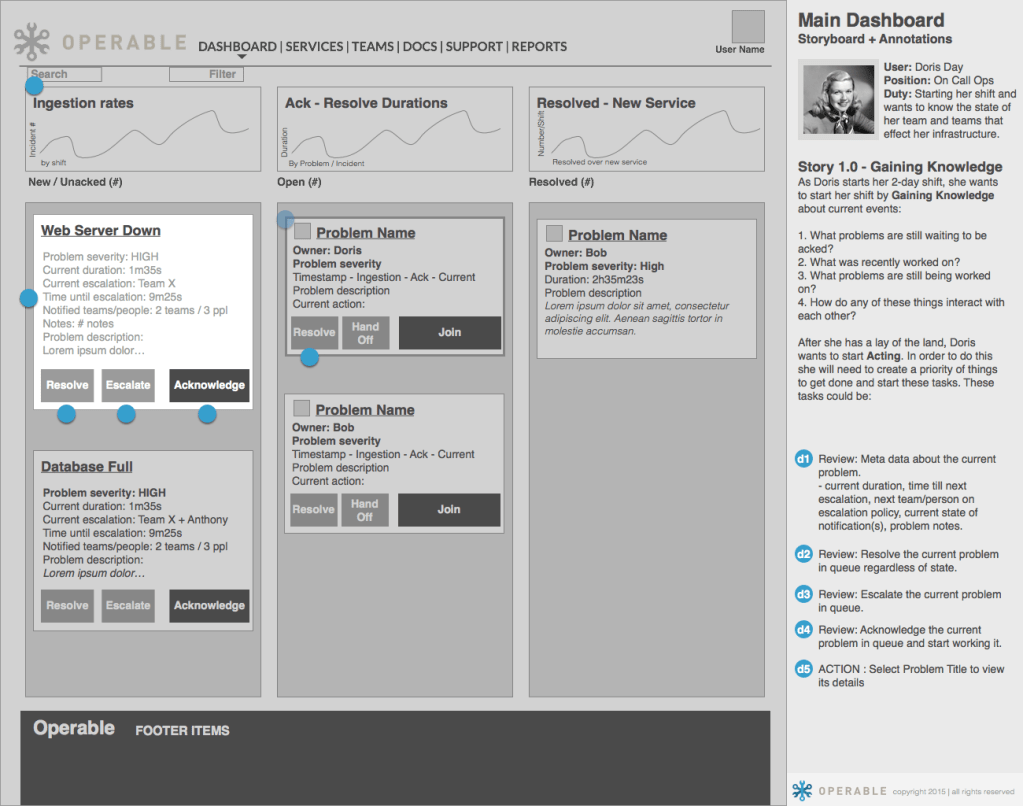
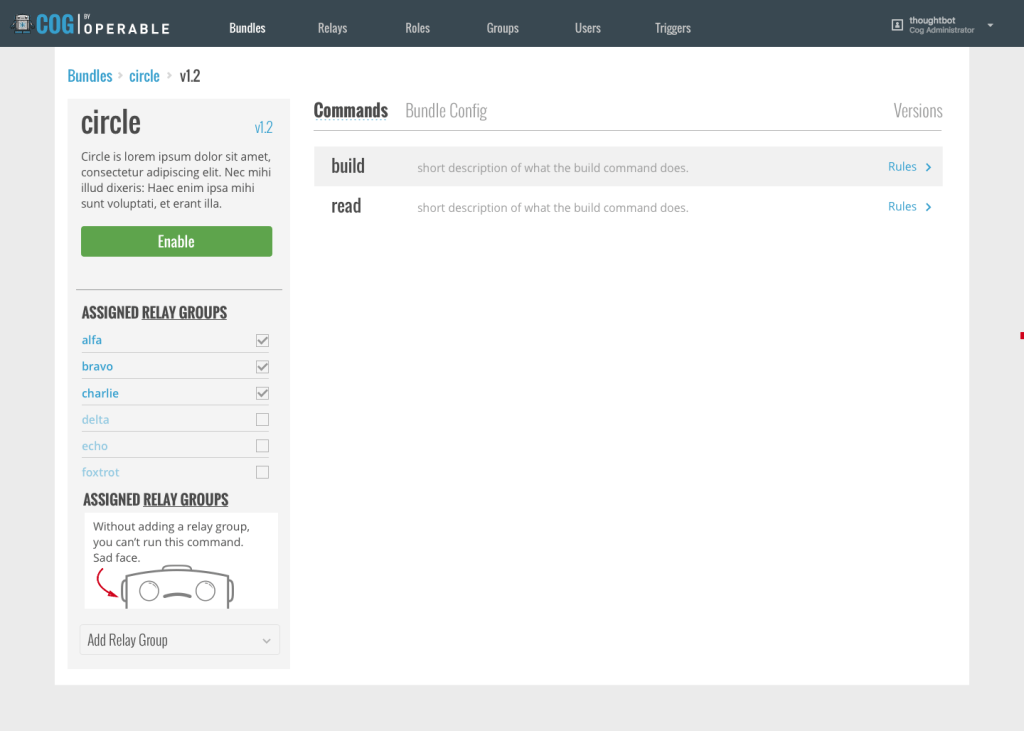
Click through prototype for Operable + Cog.
Competitive Analysis:
Understanding the competitive landscape was crucial in positioning Cog as a unique solution in the DevOps tool ecosystem. Along with other members of the Operable team and community, we conducted comprehensive competitive searches to identify gaps in existing tools and opportunities for innovation with Cog.
- Market Research: Analyzed direct and indirect competitors including Hubot by GitHub and PagerDuty. With these two indirect players we focused on the gaps in their feature set, user experience for developers + engineers, and how they addressed the needs of DevOps teams specifically. In addition to the market, I set up interviews with experts in the DevOps community including Gene Kim (The Phoenix Project) and Jez Humble (DevOps Handbook) to better understand the history and current practices.
- Differentiation: We identified key areas where Cog could offer superior functionality or a better user experience, such as integrating more naturally into existing chat platforms (Slack and HipChat at the time), providing more intuitive command functionalities, and enhancing transparency and documentation through chat history.
Outcomes:
The culmination of my efforts at Operable Software resulted in significant achievements for both Cog and the wider DevOps community.
- User Adoption: Cog saw increased adoption among DevOps teams, praised for its ability to streamline operations and reduce the stress of managing complex infrastructures.
- Operational Efficiency: Users reported improvements in their workflows, notably in transparency and auditability. The chat history feature became a critical tool for documentation and learning, enhancing team collaboration and knowledge sharing.
- Community Engagement: Established a vibrant community around Cog, fostering a feedback loop that continuously informed product improvements and new features. This community became an invaluable asset for ongoing product development and user support.
- Brand Recognition: Through strategic marketing design and merchandise development, Cog gained recognition within the tech community, contributing to Operable’s brand visibility and positioning as an innovator in DevOps solutions.
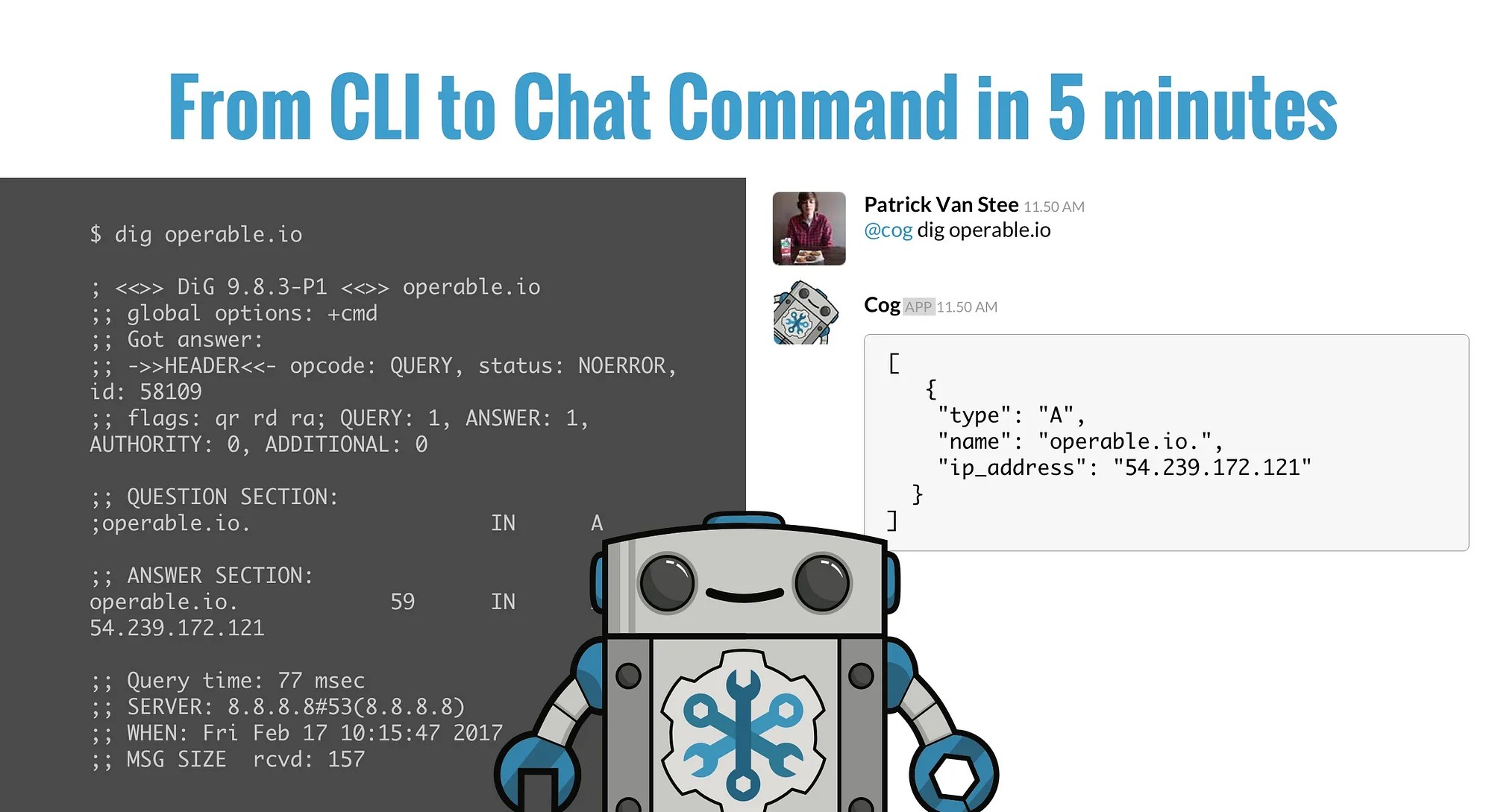

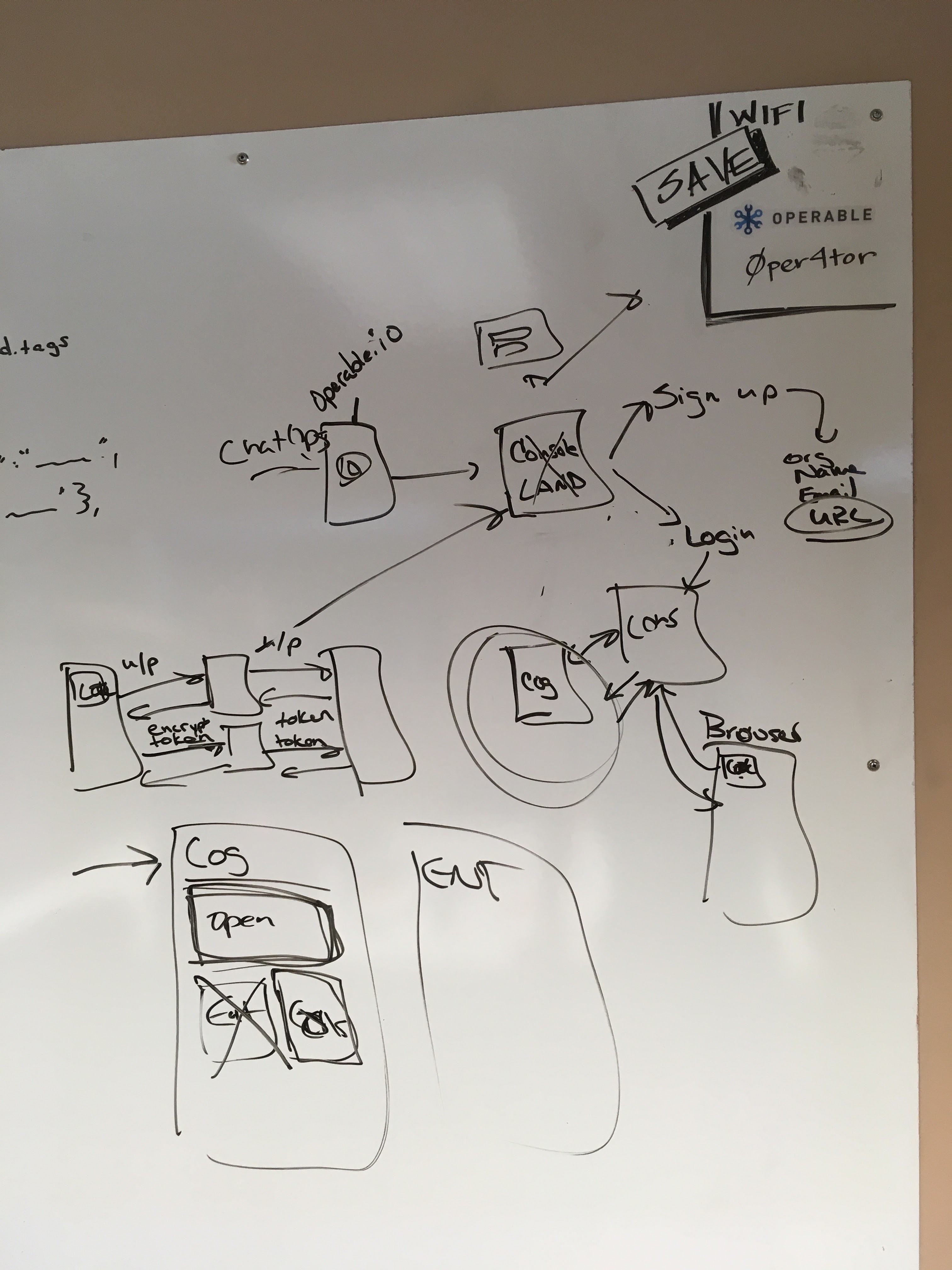
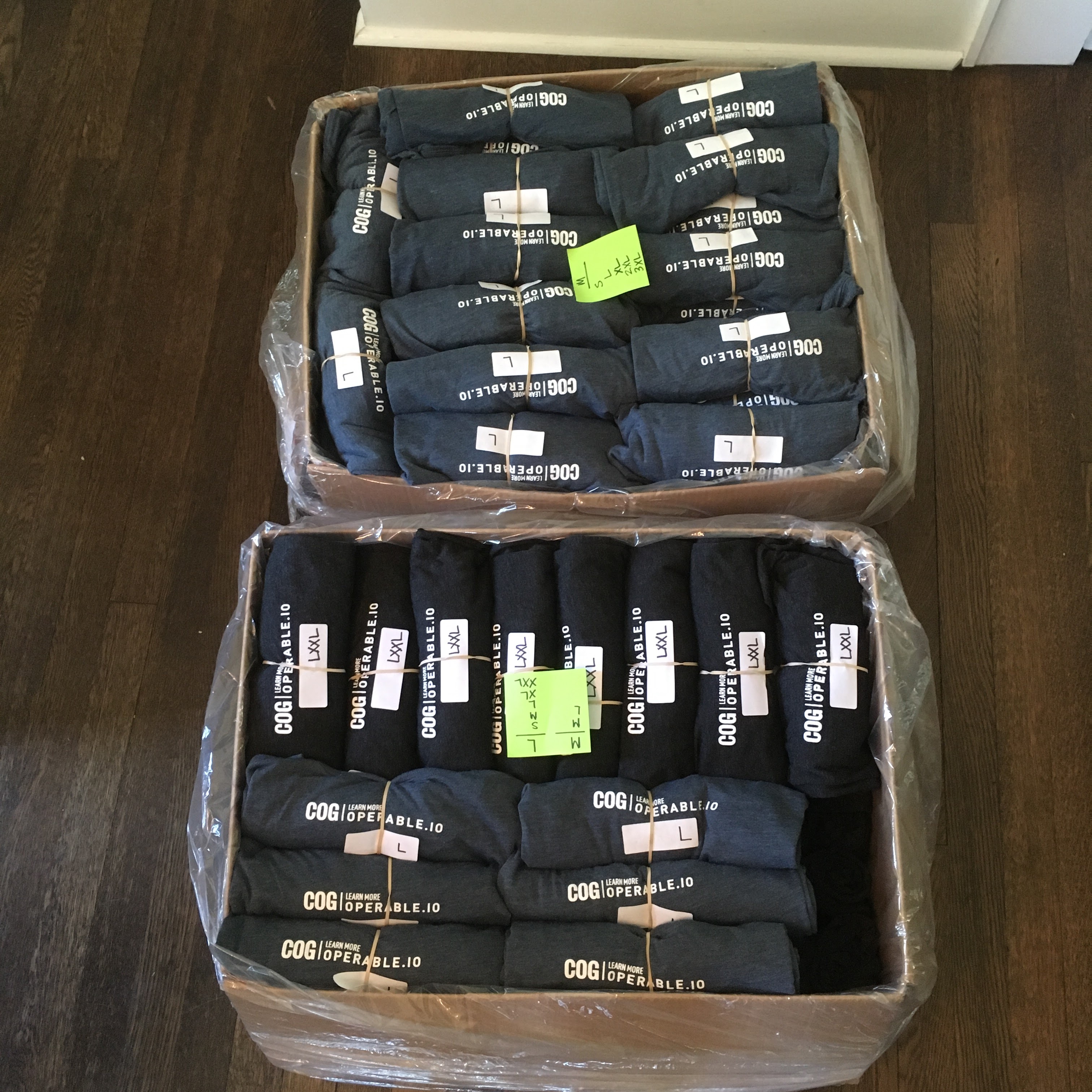
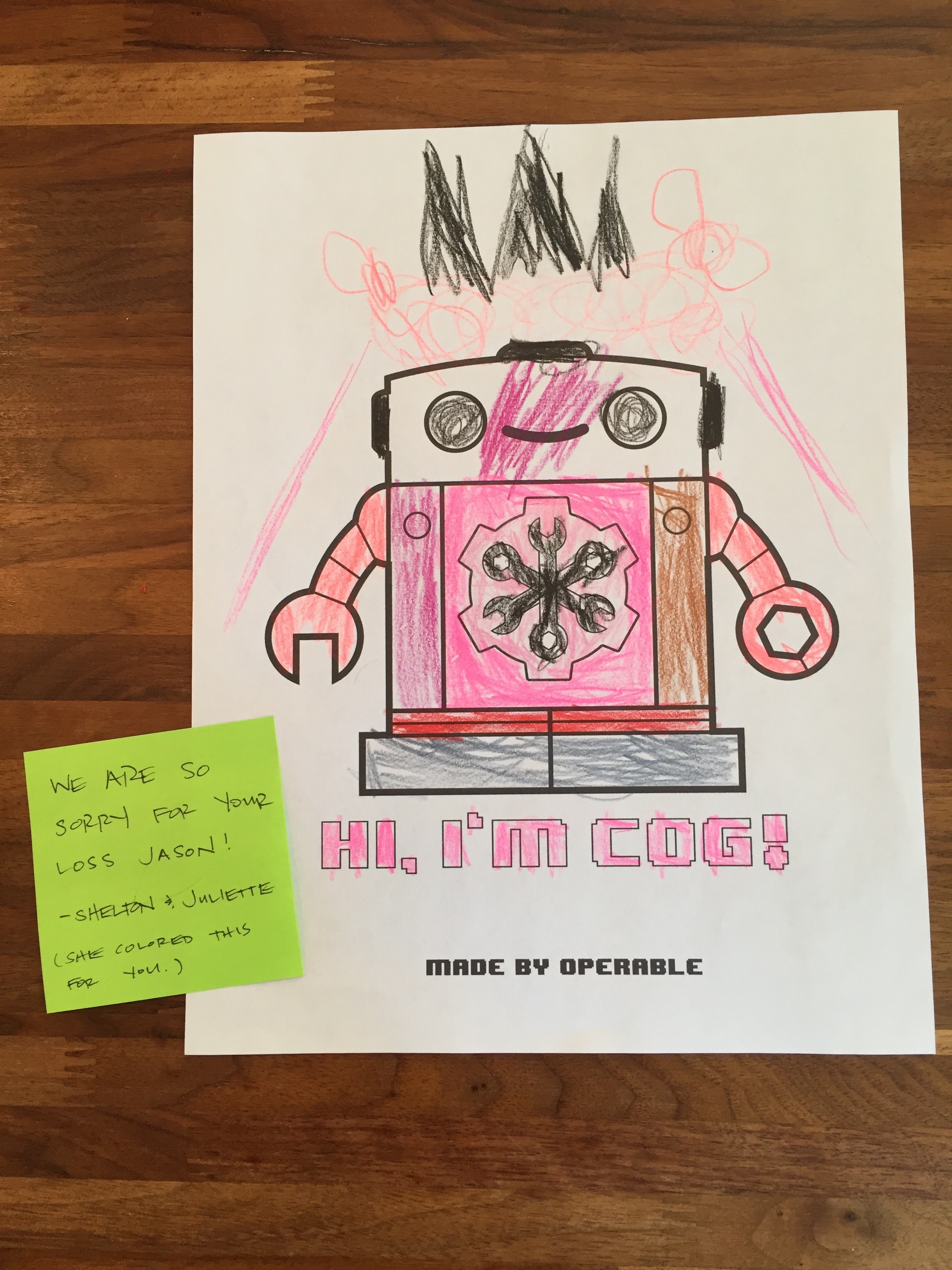


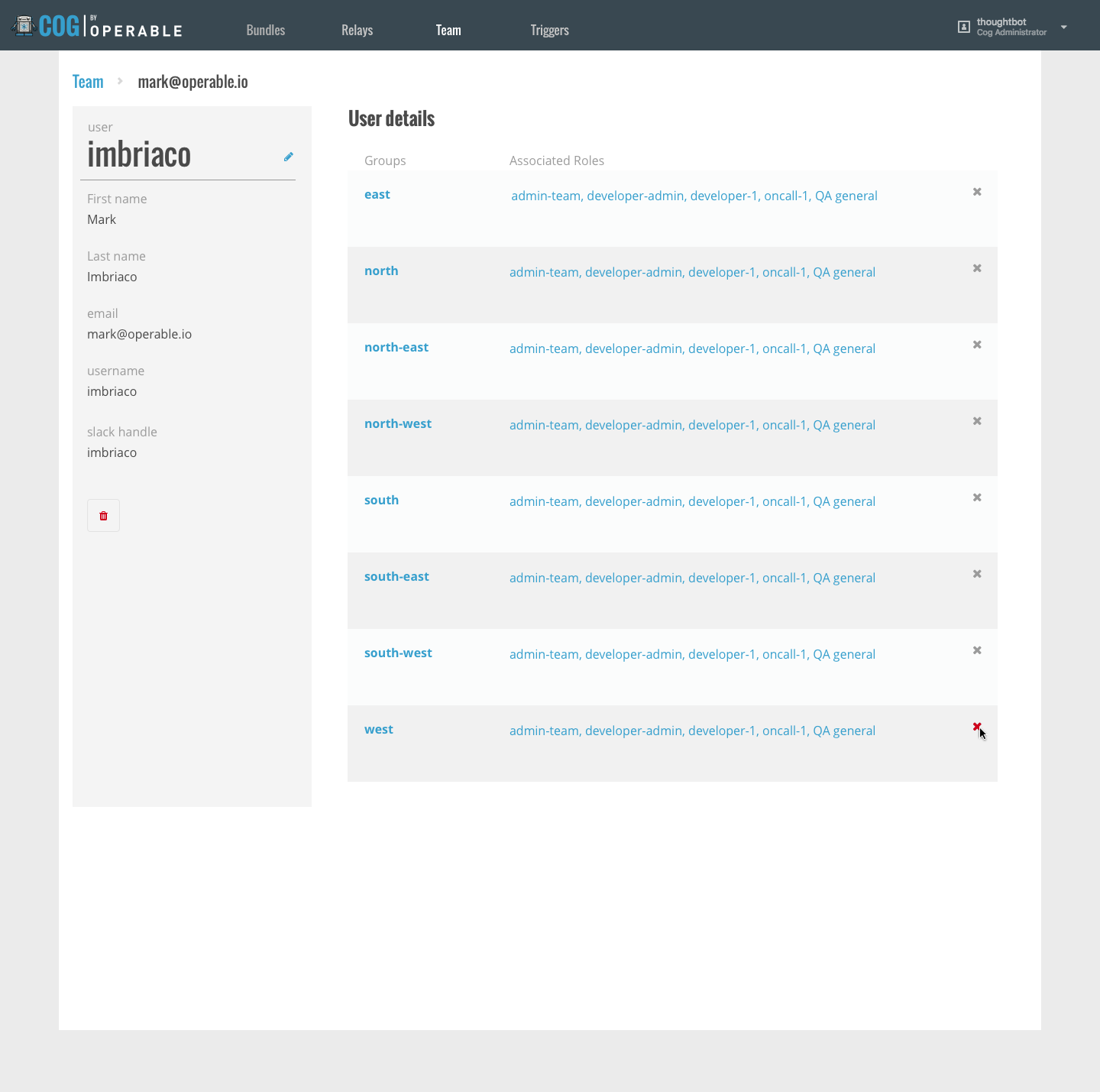
This portfolio piece illustrates my comprehensive role in shaping Cog’s success, from initial research and design to implementation and market positioning. My work at Operable Software underscores my ability to understand and empathize with user needs, innovate within competitive markets, and deliver solutions that enhance productivity and reduce stress.
Conclusion: Legacy and Learnings from Operable Software
Despite the innovative solutions and significant advancements brought by Cog, Operable Software faced the challenging reality of the business world—achieving sales traction. The difficulty in securing sufficient sales to sustain business operations led to the eventual closing of Operable. This period marked a critical juncture, not only in the lifecycle of the company but also in the journey of Cog as a product.
Legacy of Cog as an Open Source Project
Understanding the value Cog offered to the DevOps community and committed to preserving its utility, we transitioned Cog into an open source project. This decision was driven by a desire to ensure that the innovations and efficiencies Cog introduced could continue to benefit users even beyond the operational span of Operable Software. By making Cog’s code publicly available on GitHub, we opened the doors for developers worldwide to contribute to its evolution, adapt it to new challenges, and integrate it into diverse ecosystems.
The Cog Book: A Testament to Operable’s Innovation
In addition to open-sourcing Cog, we compiled and published the Cog Book online—a comprehensive manual detailing Cog’s functionalities, setup, and customization options. This resource serves as a testament to the depth of thought, innovation, and user-centric design principles that went into Cog’s development. It stands as a valuable guide for future developers to understand the intricacies of Cog and how it can be leveraged to streamline DevOps processes.
Reflections and Growth
The closure of Operable Software, while challenging, offered profound lessons in resilience, adaptability, and the importance of community support in the tech industry. It underscored the reality that success in the tech landscape is multifaceted, hinging not just on innovation but also on market readiness, sales strategies, and the ability to pivot in response to business realities.
The legacy of Cog, preserved through its open source status and the Cog Book, highlights the enduring impact of Operable Software’s work. It reflects a commitment to contributing to the broader tech community and underscores the importance of sharing knowledge and tools for the collective advancement of the field.
This experience has enriched my perspective on product design, development, and the business dynamics of tech startups. It has instilled a deeper appreciation for open-source culture and the power of community collaboration in driving innovation forward, lessons that continue to inform my approach to design and technology.
 Hello, I am Shelton.